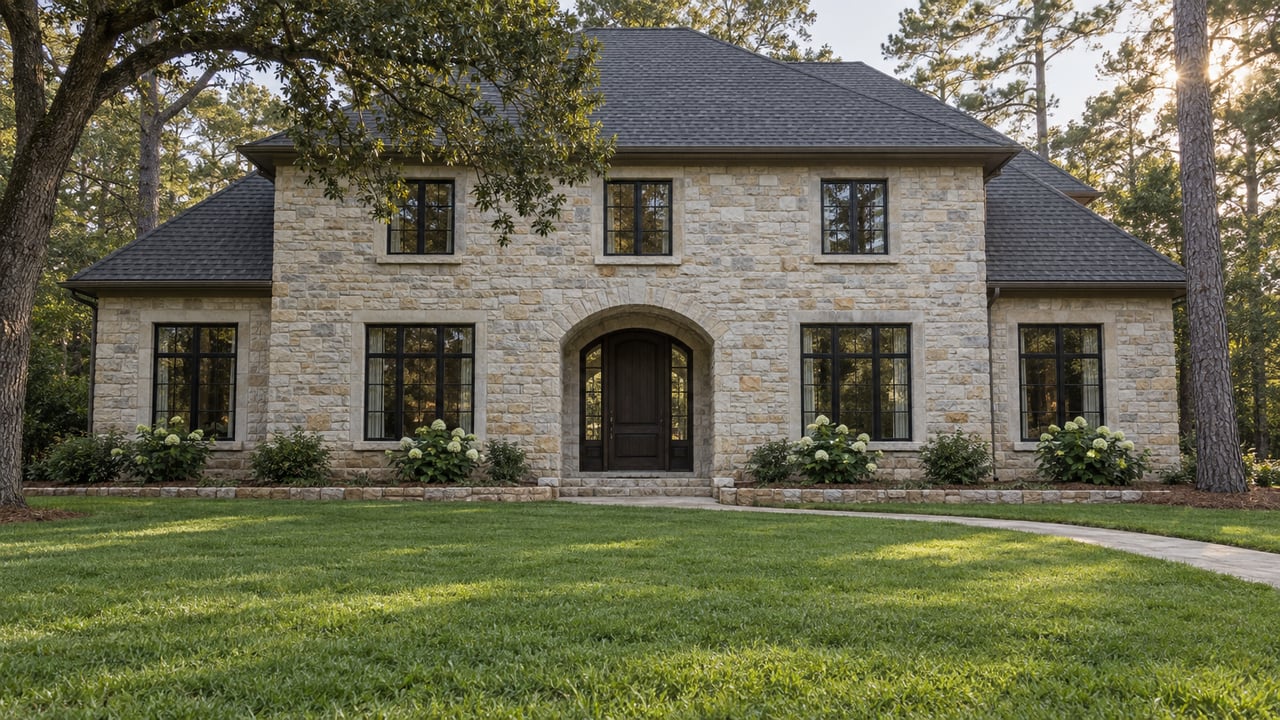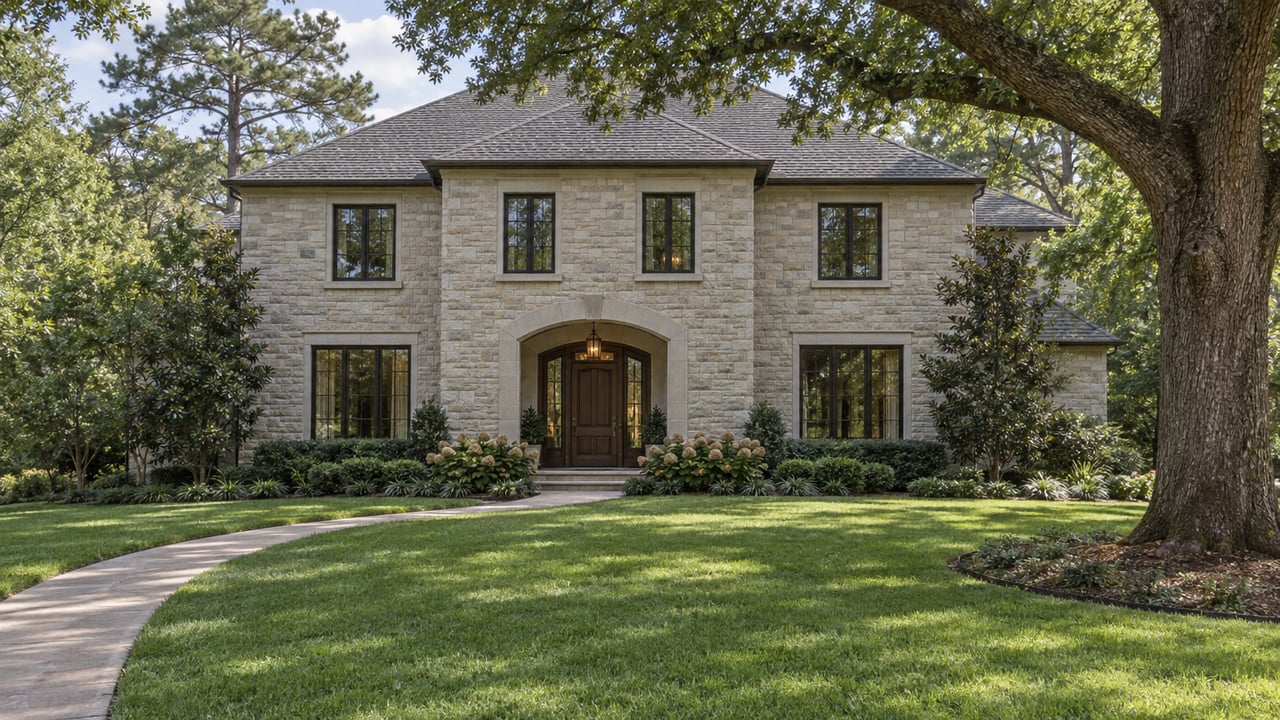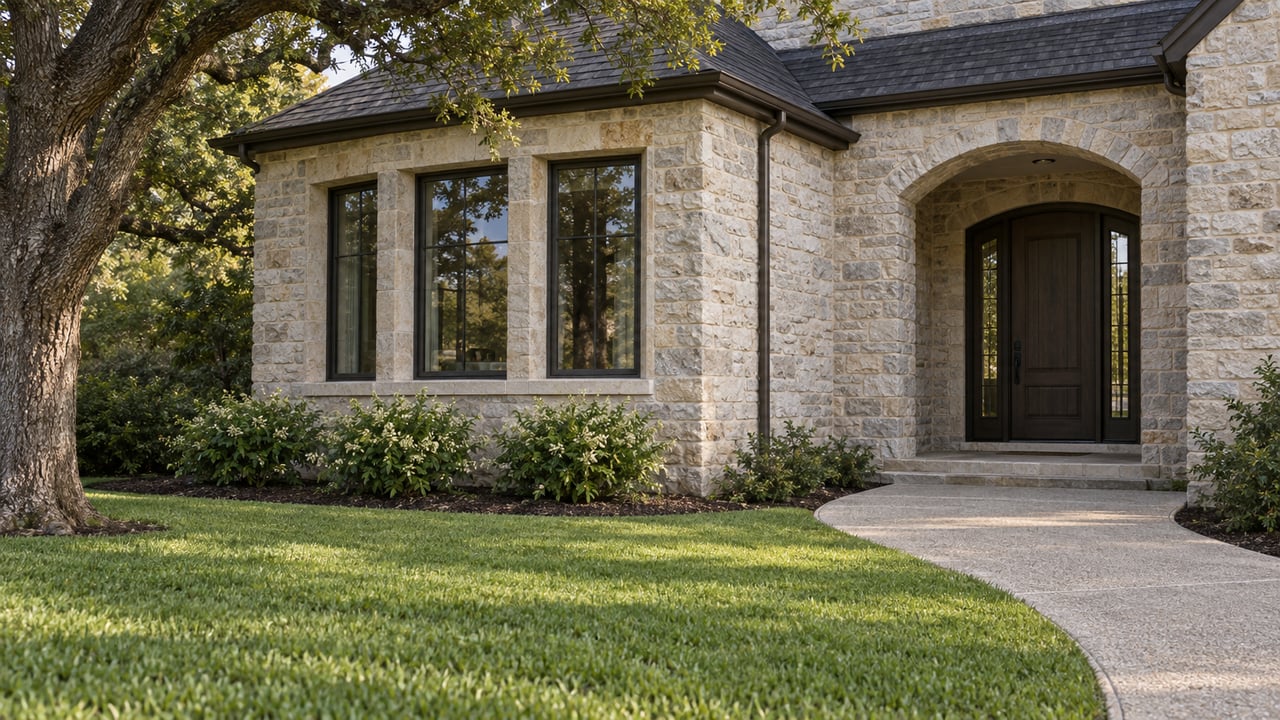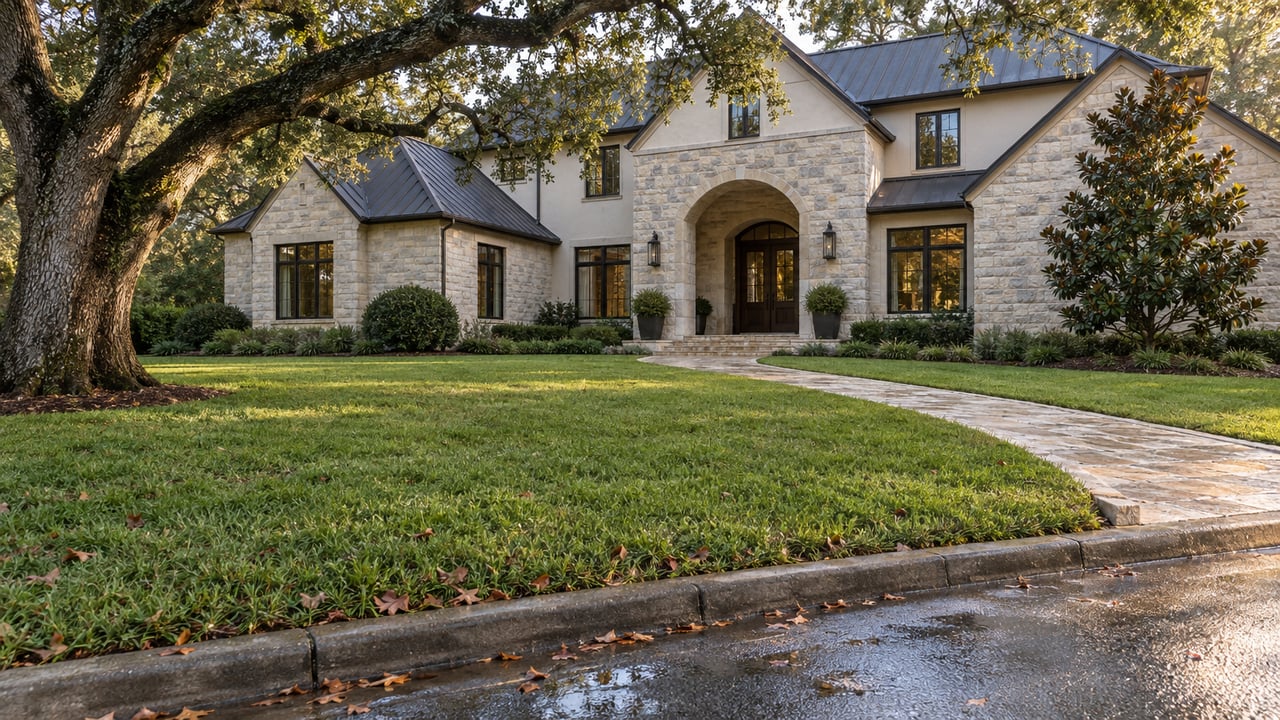
A seller in Alden Bridge calls three weeks before closing. The buyer's title company has flagged something recorded against the property in the Montgomery County real property records. It is not a lien. It is not a lawsuit. It is a Notice of Non-Compliance from The Woodlands Township, filed years earlier over a patio cover that the prior owner built without a permit. The seller did not build it. The seller did not know it was there. The buyer's lender wants it cleared before funding.
This is the friction that catches Woodlands sellers off guard, and it has nothing to do with the inspection report. Because The Woodlands is not an incorporated city, the rules that govern what you can build, paint, plant, or remove on your lot are enforced through recorded covenants rather than municipal ordinances. That single structural fact changes how a sale can unwind, and in a 2026 market where buyers finally have room to renegotiate, it changes how much a small oversight costs you at the table.
Why Woodlands enforcement doesn't behave like a city permit
In most Houston suburbs, an unpermitted deck is a code problem that gets resolved with the city building department. In The Woodlands, there is no city building department. As a special purpose district, The Woodlands Township does not create ordinances or offer traditional code enforcement, and does not have a building department like a city; instead, the Covenant Administration Department manages property standards and issues permits based on community covenants. Responsibility for managing these covenants was transferred to The Woodlands Township in 2010 as part of a governance transition from the WCA, TWA, and WCOA, and they run with the land.
The enforcement mechanism sellers need to understand is the paper trail. If the owner fails to submit the required certification of compliance after an improvement, a notice of non-compliance may be recorded in the County Real Property Records, which may require compliance with the Covenants and Standards before the property can be sold. That recording is the piece that binds. It follows the deed, not the person, which is why a violation from a prior owner can surface on your closing timeline.
The Township can pursue additional remedies as well. The Woodlands Township or any owner whose property is subject to the Covenants may file suit to obtain an injunction mandating compliance with the Covenants and the Standards. In practice, that leverage rarely appears in a residential sale. The recorded notice is what stops the wire.
The projects that require prior written approval
The 2024 Residential Development Standards define the scope broadly. Anything that alters the exterior appearance of a lot, and a surprising amount of what alters the interior, needs the Residential Design Review Committee's sign-off before a shovel moves. Covenants require prior written approval for the placement, construction, alteration or repair of any temporary or permanent structure or improvement on a lot with an existing single-family dwelling, including building additions, interior or exterior remodeling, exterior color changes, fences, play structures, certain decks, paving, patio structures, new garages, garage conversions, satellite antennas, lighting, swimming pools, spas, storage buildings, arbors, summer kitchens and compost bins.
A short field guide to items sellers most often miss:
| Item | Approval required? | Notes for sellers |
|---|---|---|
| Exterior paint color change | Yes, RDRC | Even matching an approved neighbor's color needs its own application |
| Roof replacement or repaint | Yes | All roof replacement or house repainting requires approval |
| Fence replacement | Yes, RDRC | Fence replacement is a base free service as of 2025; Standards allow up to 8 feet with RDRC approval, but neighborhood criteria may specify 6 ft, and where they conflict on height the Standards prevail |
| Satellite dish | Yes, with conditions | All dishes must be black or gray, and the removal of vegetation for signal reception is not allowed |
| Pool or spa | Yes, RDRC and county | Pool construction requires both Montgomery County building permits and prior written RDRC approval, plus a refundable compliance deposit |
| Major remodel | Yes | Where more than 50 percent of the current dwelling will be altered by any repair or replacement of materials, a permit will be required |
| Tree over 6" diameter | Yes | See below |
The application clock is defined. Completed applications submitted to The Woodlands Township will be reviewed and acted upon by the Plan Review Committees or its designee within 45 days from the date upon which the application is received. Sellers who discover an issue at contract signing rarely have 45 days to spare.
The tree rule that surprises even long-time residents
Removing a tree in The Woodlands is not the same errand it is in Spring or Tomball. In an effort to preserve the forested environment and ecological balance of The Woodlands, no tree greater than six inches in diameter may be removed without approval of the Plan Review Committees. The threshold is measured at diameter at breast height, and it applies to healthy trees on your own lot.
Two practical wrinkles matter at sale. First, the Township can require a replant, and appeals are constrained. Rehearing requests or an appeal for tree replants will not be considered unless the owner provides a written document from a certified arborist or other qualified individual with a degree in forestry, identifying that the lot cannot support the replant requirements and the remaining trees on the lot are in good condition and a desirable species. Second, because The Woodlands is not incorporated, penalty structures look different from a city citation. Cutting down a regulated tree without approval can trigger enforcement actions under the community covenant system; since The Woodlands isn't incorporated, the Township can't always issue typical municipal fines, but that doesn't mean removal is without penalty, and homeowners may be required to replace the removed tree or restore landscaping to meet the standards. That replacement obligation is the one that shows up on a resale letter.
The "my neighbor did it" trap
Sellers frequently point to a nearby property that has the same fence, the same paint color, the same pergola. The Township anticipates this argument and rejects it in the Standards themselves. When you consider altering or improving your property, do not rely on what your neighbors have done or said regarding their property; it may have been permitted under a prior Standard but not under the current Standard, disapproved and in need of modifications, or constructed without plan approval.
There is another layer beneath the Standards. Neighborhood Criteria establish more specific regulations for setback lines, hard-surface area, living area, colors, materials or other requirements for a home, group of homes or neighborhood based upon characteristics unique to that lot, group of lots or neighborhood, and the Criteria varies from one neighborhood to another and frequently within a neighborhood. A pool deck size that clears in Creekside Park may exceed hard-surface limits in a Cochran's Crossing cul-de-sac. Sellers who inherit a home from an estate or an out-of-state investor are the group most exposed to this, because the previous owner may have completed work under a Standard revision that has since been superseded.
A pre-listing compliance audit worth doing early
If you are within 90 days of listing, this is a week of work, not a month. Do it before pricing conversations, not after the option period opens.
- Order a resale disclosure package from the Township's Covenant Administration Department. Ask specifically whether any Notice of Non-Compliance is recorded against the lot and whether any open applications or violations are on file.
- Walk the exterior with your original closing disclosure and any prior improvement applications in hand. Compare paint colors, roof material, fence height, and satellite dish placement to what was approved.
- Inventory every improvement made under your ownership: pool, patio cover, generator, storage shed, outdoor kitchen, fence, arbor, landscape lighting, and any interior remodel exceeding half the dwelling. Confirm each has a Certificate of Compliance or the equivalent close-out.
- Photograph and document any tree removal from the last several years, especially dead or hazardous removals, since dead or hazardous trees may qualify for removal without standard pre-approval when they pose a safety risk, though it is in the homeowner's best interest to have documentation of the issue or inspection.
- Pull your Neighborhood Criteria in addition to the Standards. The Criteria is where fence height, hard-surface percentages, and color palettes get narrower than the community-wide rule.
- If anything is out of compliance, file the application now. The 45-day window is the Township's, not yours to negotiate.
The Certificate of Compliance step is the one sellers skip most often. Following receipt of certification from a qualified inspector or the owner, the Committees may, upon request of the owner, issue a certificate of compliance stating that the improvement complies with the Covenants, the approved plans and these Standards, based solely upon the statements and inspections provided by the owner or the qualified inspector. Without it, you have an approved application and a finished project, but no closed loop.
Why compliance matters more in the 2026 market than it did in 2022
Two years ago, buyers waived. Homes in The Woodlands were going under contract in about two weeks at the peak of the market, and a compliance letter that arrived on day 20 of the option period got a shrug. That is not the current market. Over the three months ending May 2026, The Woodlands home prices were up 10.3% compared to the same period last year, selling for a median price of $640,000, with homes selling after 23 days on the market compared to 12 days last year. Days on market for active listings has stretched further. Active listings in The Woodlands are now sitting a median of roughly 50 days on the market, and well-priced homes that do sell typically go under contract in about four weeks.
Longer decision windows give buyers time to read the resale package carefully. In the last thirty days of Orchard's tracking, homes in The Woodlands had a median sale-to-list-price ratio of 96.52%, with 26.79% of listings taking a price drop. In that environment, a Notice of Non-Compliance or an open violation is not a paperwork nuisance. It is a re-trade opportunity, and the concession comes out of the seller's proceeds.
Frequently asked questions
Does the Township issue permits or does Montgomery County? Both, depending on the project. Pools are the clearest example. Pool construction in The Woodlands requires both Montgomery County building permits and prior written RDRC approval from The Woodlands Township Covenant Administration. Structural work generally routes through the county building code as well.
Who can appeal an RDRC denial? If a project is not approved by the Residential Design Review Committee for a village, the owner may appeal the decision to the Development Standards Committee or the Development Review Committee.
Are fire pits allowed in a backyard? Effectively no, and this catches buyers who assumed they could add one after closing. Fire pits and outdoor recreational fires are effectively prohibited in The Woodlands due to state law restrictions on burning within 300 feet of platted subdivisions and frequent county burn bans.
What if the violation was created by a prior owner? The Notice runs with the property. The seller at the closing table is the one responsible for clearing it, regardless of who built the item. This is why the resale-package review needs to happen before pricing, not after the buyer's title company flags it.
Selling a home in The Woodlands rewards preparation that begins well before the sign goes in the yard. If you want a compliance walk-through of your home, a read on how your village's Criteria compares to the Standards, and a listing strategy built around what buyers are actually pricing in this market, The Merlo Team can meet you at your kitchen table with the paperwork already pulled. Get an Instant Home Valuation to start with a number, then let's talk about the rest.