Wondering whether a newer village or an established one is the better fit in The Woodlands? It is a smart question, because the answer affects everything from home style and price point to tax rate and day-to-day convenience. If you are weighing Creekside Park against villages like Grogan’s Mill, Panther Creek, Cochran’s Crossing, Indian Springs, or Alden Bridge, this guide will help you compare the differences that matter most. Let’s dive in.
How The Woodlands Villages Compare
The Woodlands was founded in 1974 and now includes nine residential villages. Community planning has long centered on giving residents access to shopping, recreation, healthcare, community organizations, and everyday services within the village system.
That means the choice is not simply old versus new. In practice, you are comparing villages that opened in earlier phases from the 1970s through the 1990s with later-phase areas, especially Creekside Park, which opened in 2007 and is described by Howard Hughes as the newest residential village.
Established Villages at a Glance
Established villages in The Woodlands often include Grogan’s Mill, Panther Creek, Cochran’s Crossing, Indian Springs, and Alden Bridge. Based on current village-level market data, these areas generally have earlier median build years and, in many cases, smaller median home sizes than later-phase villages.
For example, current medians show Grogan’s Mill with a median build year of 1981 and median home size of 2,122 square feet. Panther Creek is listed at 1982 and 2,419 square feet, while Cochran’s Crossing is 1991 and 2,784 square feet.
Indian Springs shows a median build year of 1996 and median size of 2,966 square feet. Alden Bridge is listed at 1999 and 2,448 square feet, which places it in the established group while still feeling newer than some of the original villages.
Newer Villages at a Glance
The clearest newer-village comparison points are Sterling Ridge and Creekside Park. Current data shows Sterling Ridge with a median build year of 2005 and median home size of 3,333 square feet, while Creekside Park comes in at 2011 and 3,331 square feet.
For many buyers, that often translates to larger footprints and a more current feel. While floor-plan style is an inference rather than an official metric, newer homes more often align with what buyers expect from later construction periods.
Home Style and Renovation Potential
One of the biggest practical differences is how the homes live day to day. Established villages often give you more opportunities to find homes with traditional layouts, varied architectural character, and renovation upside.
That can appeal to buyers who want to personalize a property over time. It can also create more variety from one section to the next, especially in villages that have evolved over decades.
Newer villages usually appeal to buyers who want a home that feels more current from the start. Because the homes tend to be newer and larger on average, you may see layouts and finishes that require fewer immediate updates.
Trees, Trails, and Overall Feel
The Woodlands is known for preserving green space across the community. Official community information highlights more than 220 miles of pathways and trails connected to 151 parks, which helps create a consistently outdoor-oriented lifestyle across villages.
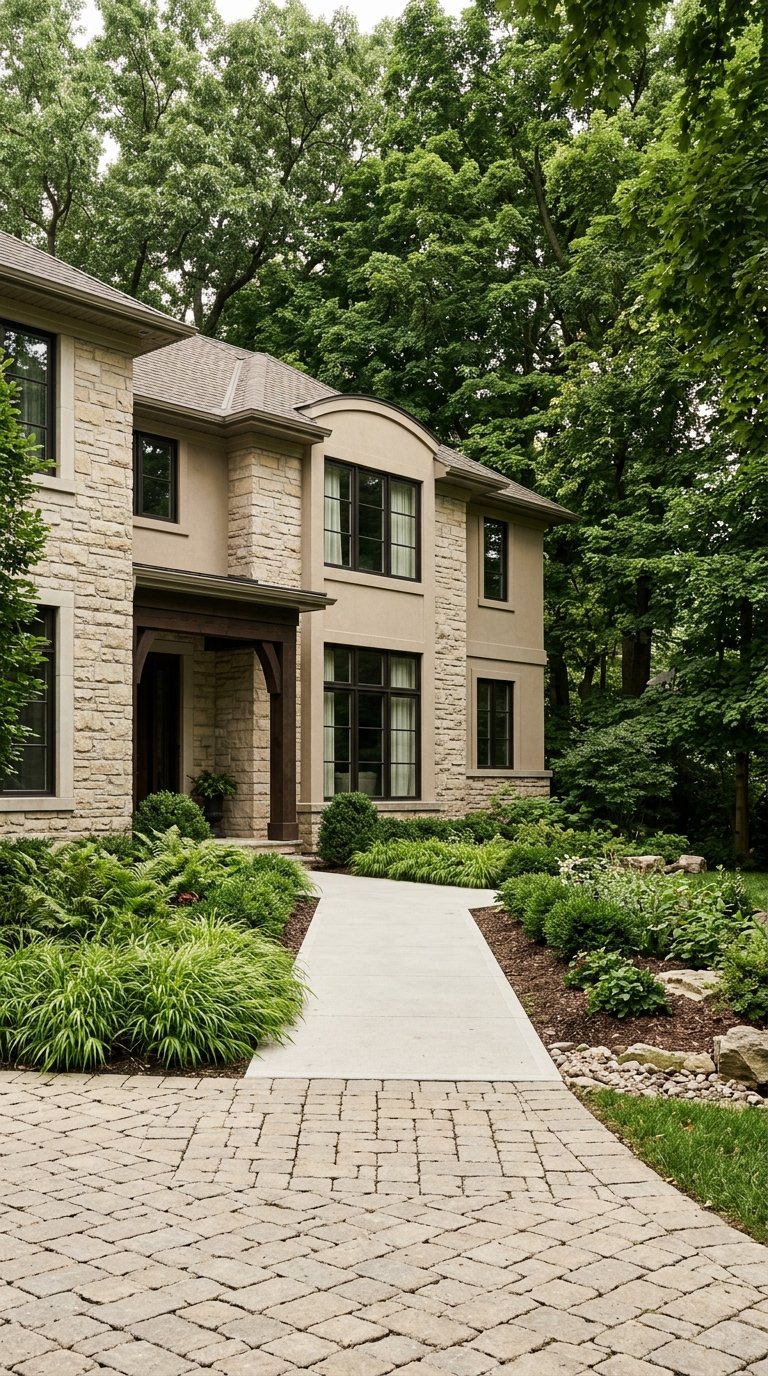
That said, village age still shapes the streetscape. Older villages have simply had more time for tree canopy growth and neighborhood maturation, so they often feel more shaded and established.
Newer villages still benefit from The Woodlands’ planning model and preserved forest buffers. Even so, the overall impression is often a little more newly built and less time-softened than what you may experience in the earliest villages.
Village Centers and Everyday Convenience
Amenities are another major dividing line. In established areas, some village centers are older and more mature, while others are being refreshed to meet current expectations.
Grogan’s Mill is a great example. It is the original village center, and the 2024 to 2025 project there is described as a revitalization of The Woodlands’ first village center.
In newer areas, the retail core may feel more intentionally mixed-use from the beginning. Creekside Park Village Center opened in 2015 with H-E-B and Creekside Park Village Green, and Creekside Park West later added a walkable retail area with a theater, dining, fitness, and medical uses.
Sterling Ridge Village Center opened in 2001, College Park Retail Center opened in 2001, and Indian Springs Village Center began in 2003. These middle-phase areas are often already built out, but they may not read as newly polished as the latest village nodes.
Price Differences by Village
A common assumption is that older villages are always less expensive. The current data shows that it is not that simple.
Village-level medians show Grogan’s Mill at $349,995 and Panther Creek at $421,452. Cochran’s Crossing is listed at $553,874, Indian Springs at $570,000, and Alden Bridge at $483,542.
On the newer side, Sterling Ridge shows a median market value of $728,804, while Creekside Park comes in at $752,115. In broad terms, newer villages often carry higher total prices because they are newer and larger.
But price per square foot shows overlap. Current median sold price per square foot ranges from $208.98 in Alden Bridge to $239.70 in Sterling Ridge, with Creekside Park at $232.03 and Grogan’s Mill at $214.64.
That overlap matters if you are comparing value rather than just headline price. Renovation level, lot type, section, and home style can all shape where a property lands within its village.
Why Price Is Not Just About Age
There are important exceptions to the old-versus-new pattern. Carlton Woods, which The Woodlands names as one of its nine villages, stands out as a luxury outlier among established areas.
Current HAR neighborhood data shows Carlton Woods with a median appraised value of $2.27 million and a median sold price per square foot of $415.61. That is a good reminder that village age does not create a simple pricing rule.
If you are shopping in the upper tier of the market, section-level differences may matter more than whether a village is considered original or newer. That is especially true for golf, gated, lake-oriented, or highly updated homes.
Taxes and School District Context
Carrying costs can shift meaningfully from one village to another. The Woodlands’ 2025 tax comparison lists Creekside Park at $2.43 per $100 of value, while Grogan’s Mill is listed at $1.70 to $1.84 depending on MUD.
Panther Creek is listed at $1.72 to $1.79, Alden Bridge at $1.80 to $1.84, and Sterling Ridge at $1.84. For some buyers, that difference can affect long-term affordability just as much as the purchase price.
The same official comparison sheet notes that, except for Creekside Park and May Valley, the listed areas are served by Conroe ISD. Creekside Park is served by Tomball ISD.
Which Type of Village Fits You Best?
If you want a more established street grid, older tree canopy, and a wider range of entry prices, an established village may be the better match. You may also find more homes with renovation potential or a more time-tested neighborhood feel.
If you want larger floor plans, newer infrastructure, and a more uniform later-phase community feel, a newer village may fit better. Buyers who value newer retail build-out and a more recently developed amenity core often lean this direction.
The best choice usually comes down to your priorities. Price, taxes, home size, setting, and the feel of the village center all play a role.
In The Woodlands, the right move is rarely about picking the “best” village in general. It is about finding the village that best fits how you want to live, what you want to spend, and how much updating you are willing to take on.
If you want help comparing villages, narrowing your search, or identifying the right fit for your lifestyle and budget in The Woodlands, connect with Ahiri Merlo.
FAQs
What is the difference between new and established villages in The Woodlands?
- Established villages in The Woodlands usually have earlier median build years, more mature tree canopy, and a broader mix of home ages and styles, while newer villages like Creekside Park and Sterling Ridge generally offer newer homes, larger median sizes, and more recently built retail centers.
Are newer villages in The Woodlands always more expensive?
- No. Newer villages often have higher median market values because homes are typically newer and larger, but village-level data shows overlap in price per square foot, and luxury established areas like Carlton Woods can exceed newer villages.
Which established villages in The Woodlands are commonly compared?
- Buyers often compare Grogan’s Mill, Panther Creek, Cochran’s Crossing, Indian Springs, and Alden Bridge when looking at established villages in The Woodlands.
Does Creekside Park have higher taxes than older villages in The Woodlands?
- Based on The Woodlands’ 2025 tax comparison, Creekside Park is listed at $2.43 per $100 of value, which is higher than the listed ranges for Grogan’s Mill, Panther Creek, Alden Bridge, and Sterling Ridge.
Do older villages in The Woodlands have more trees?
- In practice, older villages often feel more shaded because they have had more time for canopy growth, although The Woodlands preserves green space throughout the community so newer villages still maintain a wooded character.
Are all villages in The Woodlands served by the same school district?
- No. The Woodlands’ 2025 tax comparison notes that most listed areas are served by Conroe ISD, while Creekside Park is served by Tomball ISD.