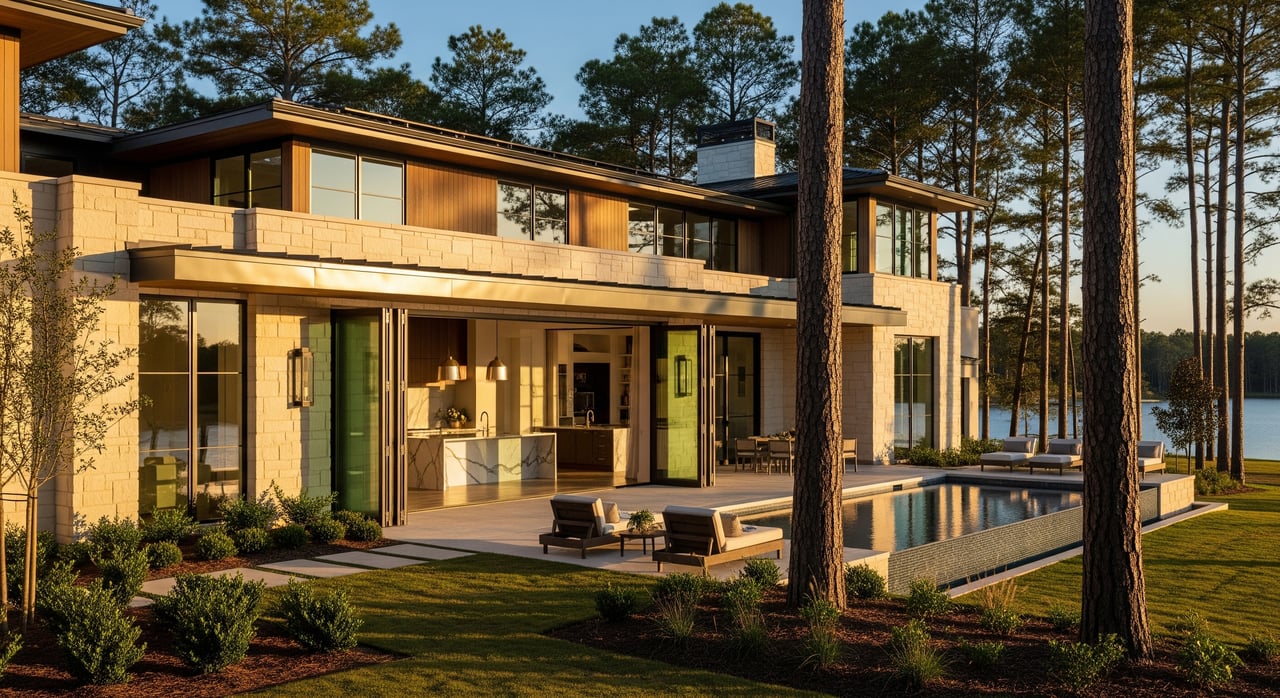
Ready to build your dream home in The Woodlands but not sure where to start? With multiple villages, diverse builders, and lots of design choices, it can feel overwhelming fast. You want the right lot, a fair contract, and a smooth move-in without surprise costs. This guide gives you practical, local steps to compare building vs. buying an inventory home, choose smart financing, protect yourself in the contract, and stick to your design-center budget. Let’s dive in.
Why The Woodlands new builds
The Woodlands is a master-planned community with distinct villages and neighborhood HOAs that set deed restrictions. The Woodlands Township handles many municipal-style services like parks, pathways, and trash, which keeps the community feel cohesive. Explore village rules and services through the The Woodlands Township to understand how they may affect your plans.
The community spans Montgomery County and parts of Harris County. That means property taxes, appraisal districts, and school district boundaries can vary by parcel. Verify tax and appraisal details with the Montgomery County Appraisal District or the Harris County Appraisal District before you write any offer.
Flood risk also varies across the area. Review FEMA maps and community flood history to determine if flood insurance is required for your lot. Use the official FEMA Flood Map to check the specific parcel and ask the builder about any known drainage or elevation features.
Demand, incentives, and timelines shift with market conditions and interest rates. Builders may offer closing cost help, rate buydowns, or upgrade credits, especially on slower-selling plans. You can track local conditions in Houston-area market reports from HAR’s market updates.
Build vs. inventory: which fits you
Build-to-order basics
If you want your exact layout, finishes, and lot choice, a ground-up build may be best. You get modern systems and energy features and can time the move if you have flexibility. Expect a longer timeline, commonly 6 to 12 months or more, plus exposure to weather or material delays.
The big tradeoffs are decision load and potential cost changes. Structural tweaks and post-selection changes can add up. Plan a contingency for change orders and ask how your builder handles pricing if materials escalate.
Inventory (spec) home advantages
An inventory home is either complete or near completion. You can use a standard mortgage and see the finished quality before you buy. Move-in timing is faster and you avoid most construction delays.
You will trade away some customization. Popular specs on premium lots can list higher or draw multiple buyers. Focus negotiations on price, incentives, and any remaining upgrades the builder can deliver before closing.
Smart financing for new construction
Inventory homes use the same conventional, FHA, or VA mortgages you would use on a resale home. A build-to-order home may require a construction-to-permanent loan or a two-close structure with a separate construction loan and final mortgage. The CFPB guide to construction loans explains these options in plain language.
Many builders offer incentives if you use their preferred lender. That can be valuable, but compare independent quotes and get the incentive terms in writing. Ask about appraisal timing for a home in progress and how any appraisal gap would be handled if the market shifts during the build.
Two key risks to manage are interest rates and carry costs during construction. If you cannot lock a long-term rate, discuss a float-down option or budget buffer. Keep a written timeline with a realistic weather cushion and material lead-time assumptions.
Contracts that protect you
Key clauses to review
Builder contracts vary by company, so read carefully and ask questions before you sign. Pay close attention to:
- Base price, lot premium, and an itemized list of included features.
- Earnest money and deposits, including whether and when they are refundable.
- Estimated completion date, allowed extensions, and delay clauses.
- Remedies if the builder misses a guaranteed date, if offered.
- Incentives (rate buydown, closing costs, upgrades) documented in the contract.
- Inspection rights and access for independent inspectors.
- Warranty language, response times, and exclusions.
- Dispute resolution requirements such as mediation or arbitration.
Negotiation levers
Your leverage depends on community demand, lot availability, and timelines. Useful points to negotiate include:
- Price and lot premium.
- Specific upgrades or firm allowance amounts instead of vague credits.
- Rate buydown or closing cost contributions that appear on your settlement statement.
- Clear inspection and walkthrough rights at pre-drywall and final stages.
- Reasonable contingencies for financing and inspections with defined timelines.
Texas essentials to know
Texas requires clear agency disclosures. Review the TREC Information About Brokerage Services so you understand who represents whom. Texas also allows mechanics’ liens, so ensure your title company and lender secure proper lien waivers at closing. Finally, verify HOA rules and design standards early, since they can limit exterior selections and timelines.
Inspections and warranties
Inspection roadmap for new builds
Even brand-new homes benefit from independent inspections. A simple plan is:
- Pre-foundation or footing inspection if you want early verification.
- Pre-drywall inspection to review framing, plumbing, electrical, HVAC routing, and insulation.
- Final inspection before closing to test systems and create a punch list.
- Builder walkthroughs near closing and again at 10 or 30 days to catch warranty items.
For higher-end builds, consider separate roof, HVAC, or pest inspections. Coordinate access times with the builder and confirm the right to include your inspector in writing.
What warranties usually cover
Most builders follow a common “1-2-10” structure: one year on workmanship, two years on mechanical systems, and ten years on major structural items. Details vary by builder. Some use third-party providers like 2-10 Home Buyers Warranty to define standards and process claims.
Common exclusions include cosmetic items, normal settling, and issues caused by lack of maintenance. Keep all warranty documents and submit claims in writing with photos and dates.
Fixing issues after closing
Document punch-list items during the final walkthrough and track completion. If problems arise, follow the builder’s warranty procedure first. If response lags, escalate to the builder’s corporate office and the warranty provider if one is involved. For serious structural concerns or missed warranty obligations, consult the dispute steps in your contract, which may include mediation or arbitration.
Design center without surprise costs
Budget categories to plan
Your base price includes the standard plan and finishes. Upgrades usually fall into four buckets:
- Structural: layout changes, garage options, foundation.
- Interior finishes: flooring, cabinets, counters, fixtures.
- Mechanical and electrical: HVAC sizing, smart home, lighting.
- Exterior: siding, patios, landscaping.
Ask whether your allowance is a lump sum or line-item. Lump sums can be flexible but may hide overages, while line-item allowances give clearer control.
Change orders and timing
Changes after plan lock often cost more and can delay the schedule. Expect deposits for some changes and always get the price and timeline impact in writing. A smart approach is to finalize all major structural decisions early and postpone nonessential cosmetic upgrades if you need to protect your budget.
Budgeting best practices
- Set a hard ceiling for base price, lot premium, upgrades, closing costs, and initial landscaping or window coverings.
- Keep a 5 to 10 percent contingency for upgrade overages and change orders.
- Ask for itemized design-center estimates and compare large-ticket items to outside benchmarks.
- Confirm who pays for permits or improvement fees so you are not surprised at closing.
Your buyer’s agent advantage
A seasoned buyer’s agent familiar with The Woodlands can be your advocate from first visit to final signatures. Your agent reviews builder contracts, secures inspection rights, and ensures every incentive appears in writing on your settlement statement. They also help you weigh upgrades with resale in mind and coordinate third-party inspections and warranty follow-up.
In Texas, builders commonly pay buyer’s agent commissions, but you should confirm your representation agreement and fees in writing. Remember, the on-site rep works for the builder. Having your own representation helps balance the table and protects your interests under TREC guidelines.
Quick local checklist
- Confirm parcel details: county, appraisal district, school district, HOA rules.
- Review flood risk and insurance needs with the FEMA Flood Map.
- Compare build-to-order vs. inventory timelines and costs.
- Get pre-approval and compare the builder’s preferred lender to independent options.
- Negotiate price, lot premium, and incentive specifics in writing.
- Schedule pre-drywall and final inspections with access rights in the contract.
- Keep a punch list and warranty file with photos and dates.
- Ensure title clears mechanics’ liens with proper lien waivers at closing.
Buying new construction in The Woodlands should feel exciting, not stressful. If you want local, high-touch guidance on builders, villages, contracts, and design choices, connect with Ahiri Merlo for a calm, well-planned path to your new home. We are bilingual and ready to help you compare options and negotiate with confidence.
FAQs
How long does a new build take in The Woodlands?
- Timelines commonly range from 6 to 12 months or longer, depending on weather, permitting, materials, and your chosen plan and builder.
Should I use a builder’s preferred lender for incentives?
- Preferred lenders can offer useful credits or rate buydowns, but you should compare independent quotes and get all incentive terms in writing.
Do I still need inspections on a brand-new home?
- Yes; pre-drywall and final inspections by an independent inspector help verify workmanship and create a punch list before closing.
What is a 1-2-10 warranty on new construction?
- It usually means one year on workmanship, two years on systems, and ten years on major structural items, with details varying by builder and warranty provider.
How do taxes and schools vary within The Woodlands?
- The community spans Montgomery and Harris counties, so appraisal districts, tax rates, and school districts can change by parcel; verify with MCAD or HCAD before contracting.
What should I negotiate on a new build contract?
- Focus on price and lot premium, specific upgrade credits, rate buydowns or closing costs, inspection rights, and clear timelines for completion and contingencies.